Everest Base Camp Trek
- 12
- 2 - 15
- Difficult
$1299 / person

The Everest region, locally known as the Khumbu region, is Nepal’s most iconic trekking destination and home to some of the world’s highest mountains. Situated in the Solukhumbu District of northeastern Nepal, this spectacular Himalayan region is best known for Mount Everest (8,848.86 m), the highest peak on Earth, but its appeal extends far beyond a single mountain.
From ancient Sherpa villages and sacred Buddhist monasteries to glaciers, turquoise lakes, and dramatic high-altitude landscapes, Everest region trekking offers one of the most rewarding experiences in the Himalayas. Protected within Sagarmatha National Park, a UNESCO World Heritage Site, the region combines breathtaking scenery, rich biodiversity, and centuries-old mountain culture, making it one of the best trekking destinations in Nepal.
Most journeys into the Everest region begin with a scenic flight to Lukla Airport (2,860 m), often referred to as the gateway to the Everest Himalayas. From Lukla, trails follow the roaring Dudh Koshi River through pine, juniper, and rhododendron forests, crossing famous suspension bridges and passing traditional Sherpa settlements that have thrived in these mountains for generations.
As trekkers gradually ascend higher into the Khumbu Valley, the landscape changes dramatically. Fertile forests and terraced villages give way to alpine meadows, barren valleys, glacial moraines, and towering snow-covered peaks. This remarkable transition in geography is one of the defining features of trekking in the Everest region.
Among the many trekking routes in the Khumbu region, the Everest Base Camp Trek remains the most popular and celebrated. This legendary journey takes trekkers through Namche Bazaar, the vibrant heart of the Everest region, and onward to the spiritual center of Tengboche Monastery, one of the most important Buddhist monasteries in Nepal.
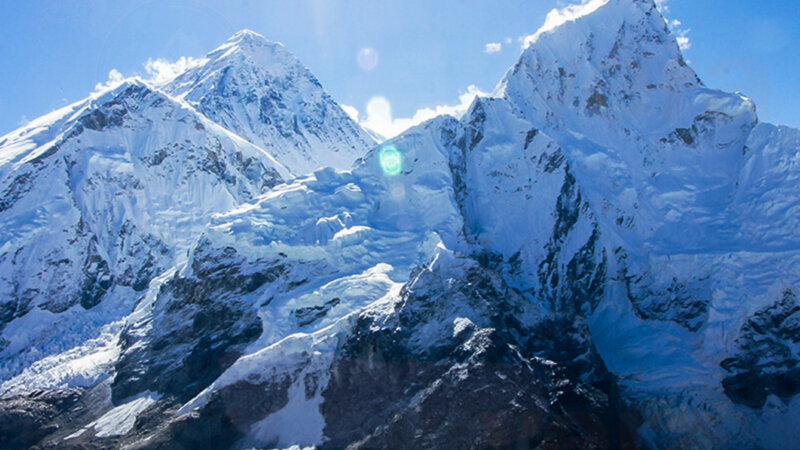
Continuing through Pangboche, Dingboche, and Lobuche, the trail reaches Everest Base Camp at the foot of the Khumbu Glacier. Although the summit of Mount Everest itself is hidden behind the ridge of Nuptse, trekkers ascend Kala Patthar (5,555 m) to enjoy the region’s most spectacular panoramic views. Sunrise from Kala Patthar reveals Everest, Lhotse, Nuptse, Pumori, and Ama Dablam in an unforgettable Himalayan panorama.
For those seeking quieter trails and extraordinary natural beauty, the Gokyo Lakes Trek is one of the finest alternatives to Everest Base Camp. This route leads to six pristine glacial lakes and the summit of Gokyo Ri (5,357 m), offering incredible views of Everest, Cho Oyu, Lhotse, and Makalu, four of the world’s highest mountains.
Beyond the popular routes lie hidden gems such as Thame Valley, Phortse Village, Chhukung Valley, and the remote Kongde region. These less-visited areas provide authentic encounters with Sherpa culture and peaceful trekking away from the crowds.
Adventure seekers looking for the ultimate high-altitude experience often choose the legendary Everest Three Passes Trek. This demanding route crosses three spectacular passes above 5,300 meters which is Kongma-La (5,535 m), Cho-La (5,420 m), and Renjo-La (5,360 m) connecting Everest Base Camp with Gokyo Valley in one extraordinary circuit.
Widely regarded as one of the best high-altitude treks in Nepal, the Three Passes Trek rewards experienced trekkers with unmatched mountain scenery and diverse landscapes throughout the Khumbu region.
Established in 1976 and recognized as a UNESCO World Heritage Site, Sagarmatha National Park protects one of the world’s most extraordinary mountain ecosystems. The park is home to Himalayan tahr, musk deer, Himalayan monal, blood pheasants, and over 200 species of birds. Although rarely seen, elusive snow leopards also inhabit the upper reaches of the park.
The region’s forests of rhododendron, birch, and juniper gradually transition into rugged alpine terrain and massive glaciers, creating an incredible variety of landscapes throughout the trek.
One of the greatest advantages of trekking in the Everest region is its well-developed network of mountain lodges and traditional tea houses. Comfortable accommodation, hearty meals, and genuine Himalayan hospitality make tea house trekking in Nepal accessible to trekkers of different ages and experience levels.
Many villages also provide Wi-Fi access, charging facilities, bakeries, and small cafés, making the Everest region one of the most developed trekking destinations in the Himalayas.
The best time for Everest region trekking is during spring (March to May) and autumn (September to November). These seasons offer stable weather, clear skies, and excellent mountain views.
Spring brings blooming rhododendron forests and favorable climbing conditions, while autumn offers crisp air and outstanding visibility after the monsoon. Winter trekking is possible for experienced travelers seeking quieter trails, whereas the summer monsoon season provides lush scenery but limited mountain views.
Whether your dream is to reach Everest Base Camp, admire the turquoise waters of Gokyo Lakes, cross the legendary Three Passes, or immerse yourself in authentic Sherpa culture, the Everest region promises an experience unlike any other.
With world-famous trekking routes, towering Himalayan peaks, sacred monasteries, vibrant mountain communities, and some of the most breathtaking scenery on Earth, Everest region trekking truly represents the ultimate Himalayan adventure and remains one of the finest trekking experiences in Nepal.
Join our Fixed Departure trip. Perfect for a solo traveler and friends who like trekking with others.
