
Kanchenjunga North Base Camp Trek
Best Local Trek Planner in Nepal for Kanchenjunga North Base Camp Trek – Remote Himalayan Adventure Specialists.


Essential Facts and Trip Details for the Kanchenjunga North Base Camp Trek
A Quick Reference Guide to Duration, Altitude, Difficulty, Seasons, and Logistics
-
Duration 16
-
Trekking Days 13
-
Max Altitude 5,143 M
-
Group Size 2 – 10 Trekkers
-
Difficulty Moderate to Challenging (High-Altitude Trek)
-
Region Kanchenjung Region
-
Best Season March–May & September – November
-
Start/End Point Kathmandu / Kathmandu
-
Accommodation Hotel | Tea House trekking


Discover the Untouched Wilderness of the Kanchenjunga North Region
The Kanchenjunga North Base Camp Trek is a pristine gem located in the far-eastern corner of Nepal, within the northern reaches of the Taplejung district bordering India. Long before Mount Everest was officially recognized, Kanchenjunga was identified as one of the world’s very first 8,000-meter peaks. Today, it proudly stands as the world’s third-highest mountain. To preserve its rare and fragile ecosystem, this entire region has been designated as the Kanchenjunga Conservation Area. Traveling through this protected sanctuary with a reliable local trekking company greatly increases your chances of spotting the region’s most iconic and elusive inhabitant—the endangered Red Panda. Beyond its rich biodiversity, this trail also serves as a legendary starting point for the famous Great Himalayan Trail.
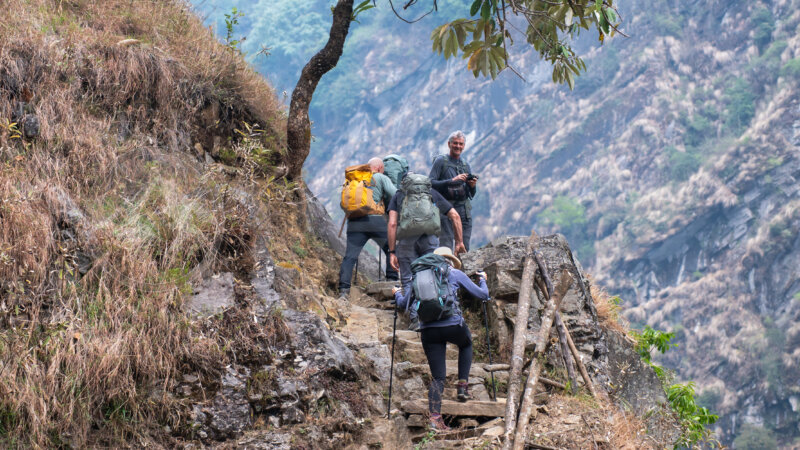
Although the government officially opened Kanchenjuna Region Trek to foreigners in the late 1980s, its remote geographical location means that only a handful of adventurous souls visit each year. This very isolation has transformed the Kanchenjunga North Base Camp route into the ultimate dream destination for trekkers seeking extreme adventure, raw wilderness, and untouched nature. Booking your journey through an experienced local trekking agency ensures you navigate this rugged landscape safely while fully experiencing its wonders. Along the trail, you will be humbled by the sight of Kanchenjunga alongside its four massive 8,000-meter subsidiary summits rising majestically into the sky.
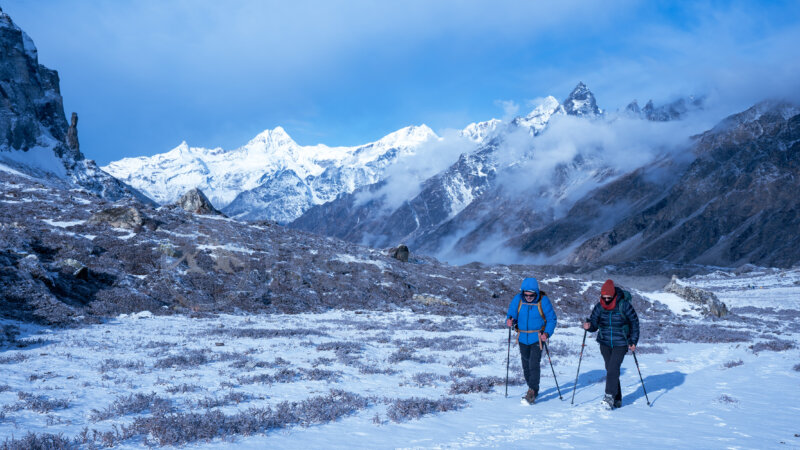
Furthermore, the northern approach treats you to breathtaking, close-up panoramas of a towering wall of 7,000-meter peaks. You will find yourself surrounded by some of the most captivating mountains in the world, including Khambachen, Jannu (Kumbhakarna), Kabu, Tent Peak, and the Twins. Compared to the highly crowded routes of the Annapurna Circuit or Everest Base Camp, the whole Kanchenjunga Circuit Trek remains a profoundly peaceful, unpolluted, and virgin trail. It promises a completely fresh, crowd-free, and unforgettable Himalayan experience that only a knowledgeable local trekking operator can truly help you discover.
What Makes the North Route Special
- Untamed Wildlife: The trail winds through the protected Kanchenjunga Conservation Area. If your timing aligns perfectly, you might even catch a rare glimpse of the iconic red panda, one of the region’s most beloved and protected attractions.
- The Giant and its Neighbors: As you approach the northern base camp, you will stand in the shadow of Kanchenjunga’s massive main peak alongside its four 8,000-meter subsidiary summits.
Stunning 7,000-meter Panoramas: The northern approach offers exceptionally dramatic views of a towering wall of 7,000-meter peaks. You will walk among some of the most captivating mountains in the Himalayas, including Khambachen, Jannu (Kumbhakarna), Kabru, Tent Peak, and the Twins. - Janu Himal Base Camp: Jannu Himal Base Camp (also locally known as Kumbhakarna Base Camp) is one of the most visually stunning yet heavily underrated side-trips along the Kanchenjunga north trek.
- Nupchu Pokhari: Nupchu Lake is a remote, high-altitude proglacial lake located in the untamed Nupchu Valley within the Kanchenjunga. Sitting at an elevation of roughly 4,900 meters (16,076 feet), it serves as a challenging and adventurous acclimatization side-trip for trekkers staying in the village of Khambachen (4,050m) along the Kanchenjunga North circuit.
Kanchenjunga North Base Camp Trek Detailed Itinerary (Day-by-Day Guide)
Show AllA complete 16-day journey through remote Himalayan valleys, alpine forests, high passes, and the spectacular Kanchenjunga North Base Camp at 5,143m.

Day 1: Fly from Kathmandu to Bhadrapur, drive to Taplejung
-
 Accomodation: Hotel
 -
 Meals: Lunch | Dinner
 -
 Elevation: ~1,820 m
 -
 Duration: 35min flight + 7-9 hrs drive
 -
 Distance: ~ By Jeep 242 km
Begin your Kanchenjunga North Trek with a scenic flight and an unforgettable overland journey through Ilam's famous tea gardens and traditional hill villages. This rewarding travel day offers the perfect introduction to eastern Nepal's breathtaking landscapes and rich local culture.
Day 2: Taplejung to Sekhathum by Jeep & trek to Lamatar
-
Accomodation: Hotel | Tea House
-
Meals: Full Board (FB)
-
Elevation: ~1,820 m
-
Duration: 5-6 hours
-
Distance: ~ By Jeep 37km and Trekking for 3km
The trek officially begins with a scenic drive and peaceful riverside walk into the remote Kanchenjunga region. Lamatar offers a true off-the-grid trekking experience, surrounded by pristine nature and authentic mountain hospitality.
Day 3: Lamatar to Thyangani
-
Accomodation: Hotel | Tea House
-
Meals: Full Board (FB)
-
Elevation: ~2410m
-
Duration: 5-6 hours
-
Distance: ~ 8km
Today's trek combines lush forests, cascading waterfalls, and rich Himalayan scenery, with a chance to spot the elusive red panda. Ending in Thangye, you'll experience authentic Tibetan-influenced culture and warm mountain hospitality in the Kanchenjunga region.
Day 4: Thange to Phale
-
Accomodation: Tea House
-
Meals: Full Board (FB)
-
Elevation: ~3215 m
-
Duration: 4–5 hours
-
Distance: ~ 16km
Reach the historic village of Phale after a scenic forest trek and discover its rich Tibetan heritage. Enjoy authentic mountain culture, a peaceful monastery, and a true Himalayan village experience.
Day 5: Phale to Gunsa
-
Accomodation: Tea House
-
Meals: Full Board (FB)
-
Elevation: ~3415 m
-
Duration: 1.5–3 hours
-
Distance: ~ 3-4km
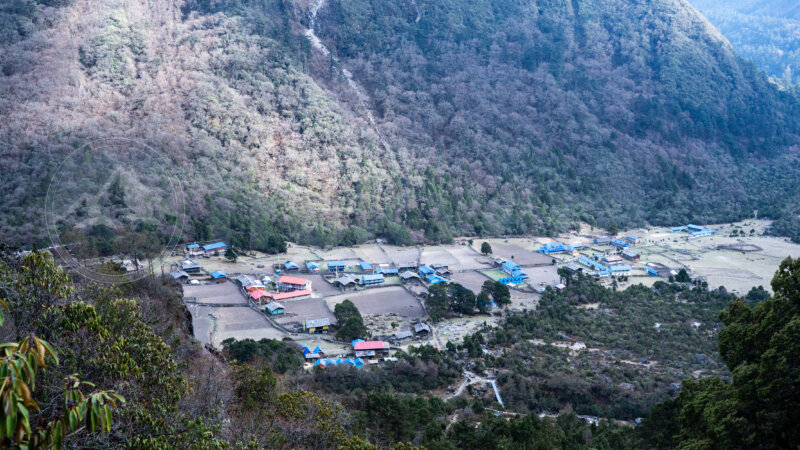
Enjoy your first breathtaking Himalayan views before reaching Ghunsa, the largest village in the Kanchenjunga Valley. With modern amenities and stunning mountain scenery, it's the perfect place to rest and recharge.
Day 6: Acclimatization day in Ghunsa
-
Accomodation: Tea House
-
Meals: Full Board (FB)
-
Elevation: ~3,415 m
-
Duration: 4–5 hours
-
Distance: ~ 6-8km
This important acclimatization day helps prepare you for higher elevations while enjoying stunning Himalayan views. Whether hiking or relaxing in Ghunsa, it's the perfect balance of adventure and recovery.
Day 7: Ghunsa to Khambachen
-
Accomodation: Tea House
-
Meals: Full Board (FB)
-
Elevation: ~4,145 m
-
Duration: 5–6 hours
-
Distance: ~ 8 km
Trek through alpine forests and enjoy spectacular views of Mt. Jannu before reaching peaceful Khambachen. This scenic day marks your journey deeper into the heart of the Kanchenjunga Himalayas.
Day 8: Acclimatization day in Khambachen Hike to Janu base camp or Nupche lake.
-
Accomodation: Tea House
-
Meals: Full Board (FB)
Choose between the iconic Jannu Base Camp hike or the remote Nupchu Lake trail for unforgettable mountain views and excellent acclimatization. Both side trips reward you with spectacular Himalayan scenery and unique cultural experiences.
Day 9: Khambachen to Lonak
-
Accomodation: Tea House
-
Meals: Full Board (FB)
-
Elevation: ~4,792 m
-
Duration: 4–5 hours
-
Distance: ~ 9 km
Trek through dramatic glacial landscapes to Lhonak, surrounded by breathtaking Himalayan panoramas. Keep an eye out for Himalayan blue sheep as you journey deeper into the Kanchenjunga wilderness.
Day 10: Lhonak to Pangpema
-
Accomodation: Tent | cozy underground lodge.
-
Meals: Full Board
-
Elevation: ~5,143 m
-
Duration: 5–6 hours
-
Distance: ~ 16 km
Reach the spectacular Kanchenjunga North Base Camp and witness unforgettable views of the world's third-highest mountain. This once-in-a-lifetime experience is the ultimate highlight of the Kanchenjunga North Trek.
Day 11: pangpema to Khambachen
-
Accomodation: Tea House
-
Meals: Full Board (FB)
-
Elevation: ~4145 m
-
Duration: 3–4 hours
-
Distance: ~ 9 km
Descend from Kanchenjunga North Base Camp to Khambachen, enjoying scenic valleys and rugged Himalayan landscapes. The lower altitude offers a well-earned rest before continuing your return journey.
Day 12: Kambachen to Ghunsa
-
Accomodation: Tea House
-
Meals: Full Board
-
Elevation: ~3,415 m
-
Duration: 5–6 hours
-
Distance: ~ 8 km
Enjoy a scenic descent back to Ghunsa, with stunning final views of Mt. Jannu and the surrounding valleys. Relax, reconnect with high-speed Wi-Fi, and celebrate your Kanchenjunga adventure.
Day 13: Ghunsa to Gabla
-
Accomodation: Tea House
-
Meals: Full Board (FB)
-
Elevation: ~ 2,750 m
-
Duration: 4–5 hours
-
Distance: ~ 13 km
Descend through lush forests and scenic river valleys to the peaceful village of Gyabla. This relaxing trekking day offers warmer temperatures, beautiful waterfalls, and authentic Himalayan charm.
Day 14: Gabla to Sekathum
-
Accomodation: Tea House
-
Meals: Full Board (FB)
-
Elevation: ~ 1,650 m
-
Duration: 4–5 hours
-
Distance: ~ 19 km
Enjoy a scenic descent through lush forests, waterfalls, and suspension bridges to reach Sekathum. The warmer climate marks your return from the high Himalayas to the lower valleys of Kanchenjunga.
Day 15: Drive from Sekathum to Phikkal via Taplejung
-
Accomodation: Hotel
-
Meals: Full Board
-
Elevation: ~ 1,650 m
-
Duration: 9-10 hours
-
Distance: ~ 228 km
Enjoy a scenic drive from the rugged mountain trails to the peaceful tea hills of Phikkal. It's the perfect transition from Himalayan adventure to a relaxing journey back to civilization.

Day 16: Drive from Phikkal to Jhapa and Fly to Kathmandu
-
Accomodation: Hotel
-
Meals: Breakfast and Lunch
-
Elevation: ~ 1,350 m
-
Duration: 2 hours Drive and 35 minutes fight
-
Distance: ~ 65 km
Conclude your Kanchenjunga adventure with a scenic drive through Ilam's tea gardens and a breathtaking flight back to Kathmandu. This relaxing journey offers one final glimpse of the majestic Himalayas before your trip ends.
Trip Cost, Inclusions, Exclusions & Additional Expenses
Review the detailed trip cost, included services, and exclusions to understand what is covered in your package and plan for any additional personal expenses. Customizations are available to suit your travel preferences.
-
 International airport pickup and drop-off services.
-
Two night boutique hotel in Kathmandu with breakfast
-
Three meals a day during the trek (breakfast, lunch and dinner).
-
The hotel to the bus station is transported by car or taxi.
-
One assistance guide will be provided above 7 people
-
Medical supplies (first aid kit will be available).
-
Accommodation during the trek will be in tea houses or lodges on a twin-sharing basis.
-
All government tax and service fees.
-
All necessary ground transportation by local jeep (Bhadrapur to Taplejung to Sekhathum and same way back to Jhapa)
-
An English-speaking professional trekking guide (including his salary, food, accommodation, and insurance).
-
During the trek, seasonal fresh fruit.
-
Guide flight ticket and necessary ground transportation.
-
 International flights
-
Nepal Visa Fees (15 Days-$30, 30 Days- $50, and 90 Days- $125).
-
Travel Insurance & Personal gear
-
Any kind of drink during the trek.
-
Personal expenses (phone calls, bar bills, battery charge, boiled water, laundry, hot shower, snacks, and Wi-Fi in the mountain).
-
Porter cost: US$25 per day. One porter is provided for every two trekkers (maximum 20 kg carrying capacity).
-
Private jeep if needed.
-
Food and accommodation in Kathmandu.
-
Tips for guide and porters.
-
Any additional services not listed in the included section.
-
Additional costs due to changes in the itinerary.
This cost and inclusion are based on standard group bookings. If you are not satisfied with the itinerary or package includes details, please contact us, we are happy to customize the trek according to your preferences.
Kanchenjunga North Trek: Route & Map
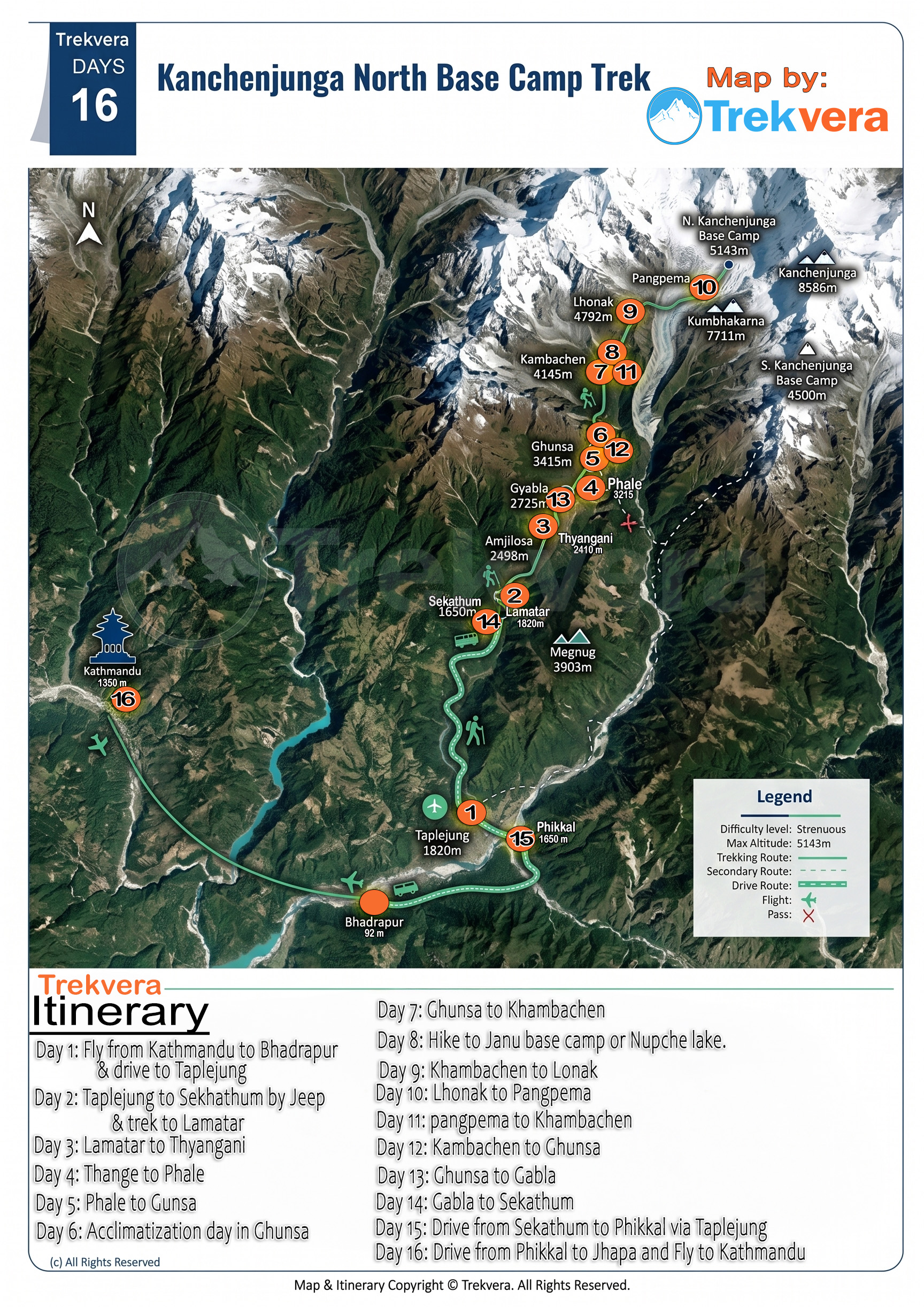
The Kanchenjunga North Trek route begins with a flight from Kathmandu to Bhadrapur, followed by a scenic drive to Taplejung before entering the Kanchenjunga Conservation Area. The trail passes through traditional villages, lush forests, alpine meadows, and high mountain landscapes before reaching Kanchenjunga North Base Camp (Pangpema) at 5,143 meters. Use the Kanchenjunga North Trek map below to explore the complete route, major overnight stops, daily elevations, and key landmarks for planning your adventure.
Accommodation: Going Beyond the Grid
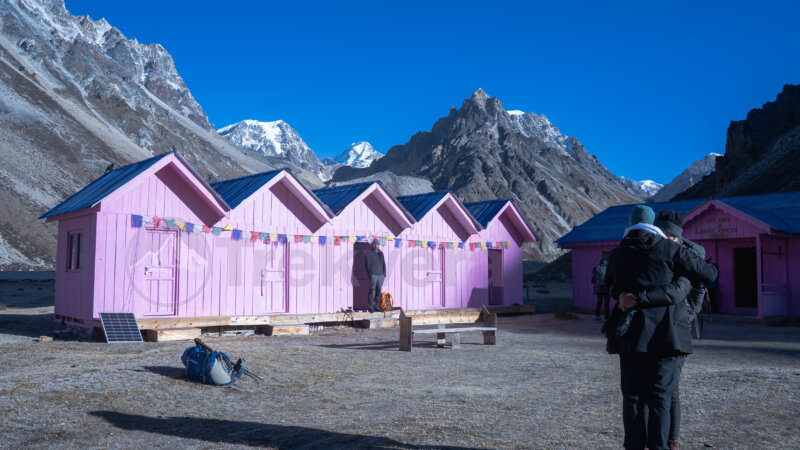
As you leave the lower villages behind and head north from Gyabla toward Pangpema, the teahouses transform from comfortable family-run lodges into basic wilderness outposts.
- The Uninsulated Reality: The rooms in high-altitude stops like Khambachen and Lhonak are built with stone walls and thin plywood partitions. There is no insulation or heating in the bedrooms. The indoor temperature at night often mirrors the freezing temperatures outside. A four-season sleeping bag is mandatory.
- The Communal Hub: The heart of every northern teahouse is the dining hall. In the evenings, everyone gathers around the bukhari (a traditional iron stove centered in the room, fueled by dried yak dung or wood). This is the only warm space in the lodge, making it the ultimate spot to dry your socks, chat with your local guide, and thaw out before sprinting to your freezing bedroom.
- Facilities & Charging: Past Ghunsa, flush toilets disappear completely, replaced by basic squat toilets located outside the main building. Running water often freezes in the pipes overnight. Solar electricity is highly dependent on daily weather; you should expect to pay a small fee (around $3 to $5) to charge devices via solar panels, and even then, charging may not be available if the sky is overcast.
Specific Preparation for the Kanchenjunga North Trek
From Day 4 onward, after leaving Thangge, you will enter serious high-altitude territory. As you ascend above Ghunsa into Khambachen, Lhonak, and Pangpema, you will spend multiple consecutive nights sleeping above 4,000 meters. At this elevation, the risk of Acute Mountain Sickness (AMS) increases significantly. Therefore, when venturing into the high Himalayas, keeping a few critical safety measures in mind is absolutely essential.
Because the Kanchenjunga North Trek spends an extended period navigating a high, frozen glacial valley, your physical preparation must focus heavily on endurance and temperature resilience.
1. Train Your Lungs for a “Sustained High”
On a standard trek, you typically cross a high pass and immediately descend to a safer, lower altitude. However, on the North route, you must live and sleep above 4,000 meters for nearly four consecutive days.
Action Plan: Integrate stair-climbing or high-incline treadmill walking into your daily fitness routine. Your legs and lungs must be highly conditioned to move efficiently in low-oxygen environments.
2. Prepare for Basic, Freezing Teahouses
Upon reaching Pangpema, you will encounter its famous, rustic underground teahouse. Because facilities here are incredibly basic, you need to pay extra attention to your preparation. While other stops along the trail offer standard amenities where you don’t need to constantly fear the cold, you must still remain fully prepared for unpredictable, harsh weather shifts.
Action Plan: Invest in a premium, four-season sleeping bag rated down to at least -15°C (5°F). Additionally, pack a reliable high-capacity power bank, as the extreme cold will drain your camera and smartphone batteries rapidly.
3. The Golden Rule: Never Skip Rest Days
Because the Kanchenjunga North Trek climbs at a steady, deceptive incline, trekkers often feel great during the first few days and assume they can skip rest days. This is a dangerous trap. Proper acclimatization requires ascending high during the day but returning to sleep at lower camps. Rushing through the itinerary and skipping acclimatization days in Ghunsa or Khambachen is the fastest way to trigger severe altitude sickness, which can result in a life-threatening situation and an expensive helicopter evacuation.
Action Plan: Pace yourself, strictly follow the advice of your local guide, always walk slowly (bistari, bistari), and stay hydrated by drinking 3 to 5 liters of water daily.

Kanchenjunga North Base Camp Trek FAQs
Find answers to the most common questions about the Kanchenjunga North Base Camp Trek, including permits, itinerary, cost, and difficulty.
How long is the Kanchenjunga North Base Camp Trek?
Your standard itinerary is 16 days total. Your page also offers a compressed 12-day “express” option for well-acclimatized, physically strong trekkers, though it notes this raises altitude-sickness risk.
What is the maximum altitude on this trek?
5,143 m at Pangpema (Kanchenjunga North Base Camp).
Is there Wi-Fi or phone signal on this trek?
Ghunsa has high-speed Wi-Fi (100+ Mbps) and device charging. Past Ghunsa, cellular signal disappears and solar charging costs roughly $3–5 per charge, weather-dependent.
Do I need a guide for the North Base Camp Trek?
While a guide is no longer legally required by the government, we strongly recommend booking a licensed trekking guide to ensure your safety on the trails.